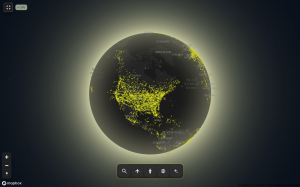

For several years, JetSpy has provided one of the most comprehensive views of FAA-registered aircraft activity worldwide, helping professionals across business aviation and financial services track movements, understand utilization patterns, and make faster, more informed decisions across global operating environments.
Today, that view expands significantly.
JetSpy now includes internationally registered aircraft, broadening the scope of observable activity beyond the U.S. registry and further strengthening the platform’s global dataset.
This enhancement provides additional context across borders — allowing users to better understand how aircraft move, operate, and interact across the global business aviation ecosystem.
A More Complete View of Global Business Aviation
JetSpy has always provided global operational coverage for the aircraft it tracks. FAA-registered jets frequently operate internationally, and JetSpy has long captured their worldwide movements across airports and regions.
What’s new is the addition of aircraft registered outside the United States, expanding the scope of observable activity within the platform’s global dataset.
This distinction is important in the context of aircraft visibility. The FAA is unique in offering formal privacy programs that allow certain aircraft to limit public display of identifying information. Most international regulators do not provide comparable blocking infrastructure. However, many widely used flight tracking platforms — relied on by both industry professionals and the general public — offer their own private-sector blocking services that can filter or suppress aircraft visibility within their ecosystems.
By adding internationally registered aircraft to JetSpy’s unfiltered dataset, users gain a more complete understanding of global business aviation activity — without the blind spots created by registry limitations or platform-level filtering.
The result is a broader, more representative view of how business aircraft actually operate across borders, markets, and operating environments.
Why Global Registry Coverage Matters
Business aviation has always been international in nature, and JetSpy has long captured global movements of FAA-registered aircraft operating across borders. With the addition of aircraft registered outside the United States, users can now analyze activity across a wider share of the global fleet — including operators and aircraft that previously fell outside the FAA registry.
This expanded visibility provides additional context when evaluating:
- Traffic patterns between major business aviation markets
- Aircraft behavior across regions and continents
- Cross-border flight activity impacting airports, operators, and service providers
- Utilization trends that extend beyond domestic registries
- Competitive and market activity across a broader portion of the global fleet
Rather than viewing activity through the lens of a single registry, users can now better understand how aircraft operate within the broader international operating environment.
Seamless Integration Across JetSpy Features
Internationally registered aircraft are now fully integrated across JetSpy’s existing tools, allowing users to work with a broader global dataset using the same workflows already familiar within the platform.
This includes:
- View historical and real-time activity for aircraft operating worldwide.
- Track aircraft of interest across multiple registries within a single interface.
- Identify foreign-registered aircraft currently located at specific airports or within certain regions.
- Analyze arrivals and departures of foreign-registered aircraft between airports globally.
- Understand aircraft activity levels across broader geographic datasets.
The platform experience remains consistent — simply with expanded registry coverage.
Built for a Global Industry
JetSpy users span the full business aviation ecosystem, including operators, brokers, FBOs, MRO providers, financial professionals, analysts, and researchers.
For many of these teams, understanding aircraft activity requires visibility that extends beyond a single country’s registry. Aircraft frequently operate internationally, fleets are often multinational, and meaningful patterns often emerge only when activity is evaluated across jurisdictions.
By incorporating internationally registered aircraft, JetSpy continues its focus on delivering a comprehensive, unfiltered view of real-world aircraft behavior — helping users operate with greater confidence and clarity.
Expanding the Full Picture
The addition of internationally registered aircraft represents another step toward delivering a more complete view of business aviation activity worldwide.
Expanding coverage to include non-U.S. registries further enhances the platform’s ability to reflect how business aviation actually operates across international markets.
Fewer blind spots. Broader context. Stronger decision-making.
Because better visibility leads to better decisions.